Written by Ian Snyder, FOMR Stewardship Technician
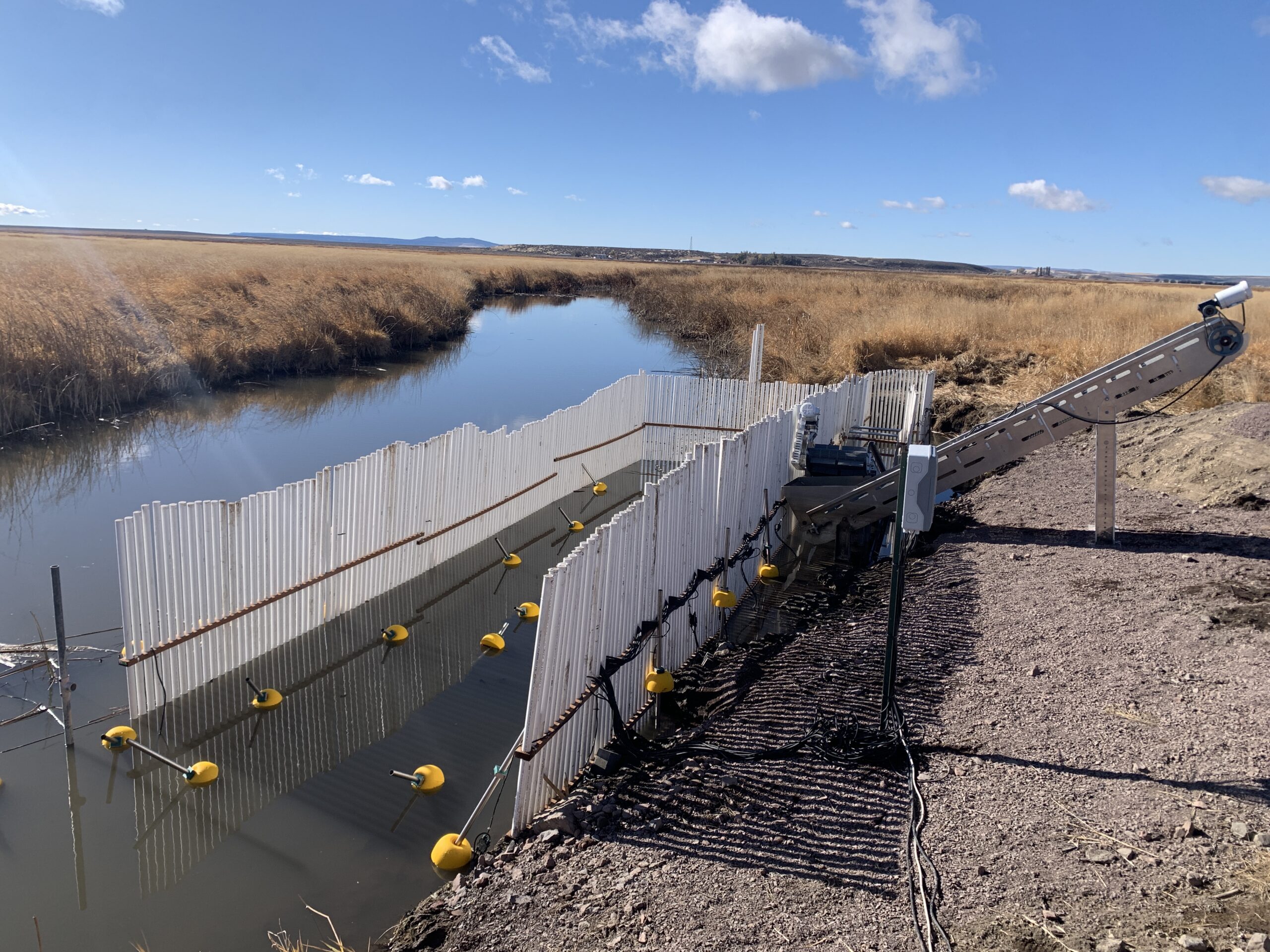
A new electric fish barrier and removal system is nearing completion at Malheur National Wildlife Refuge, adding another tool to the ongoing effort to manage invasive common carp and improve aquatic habitat.
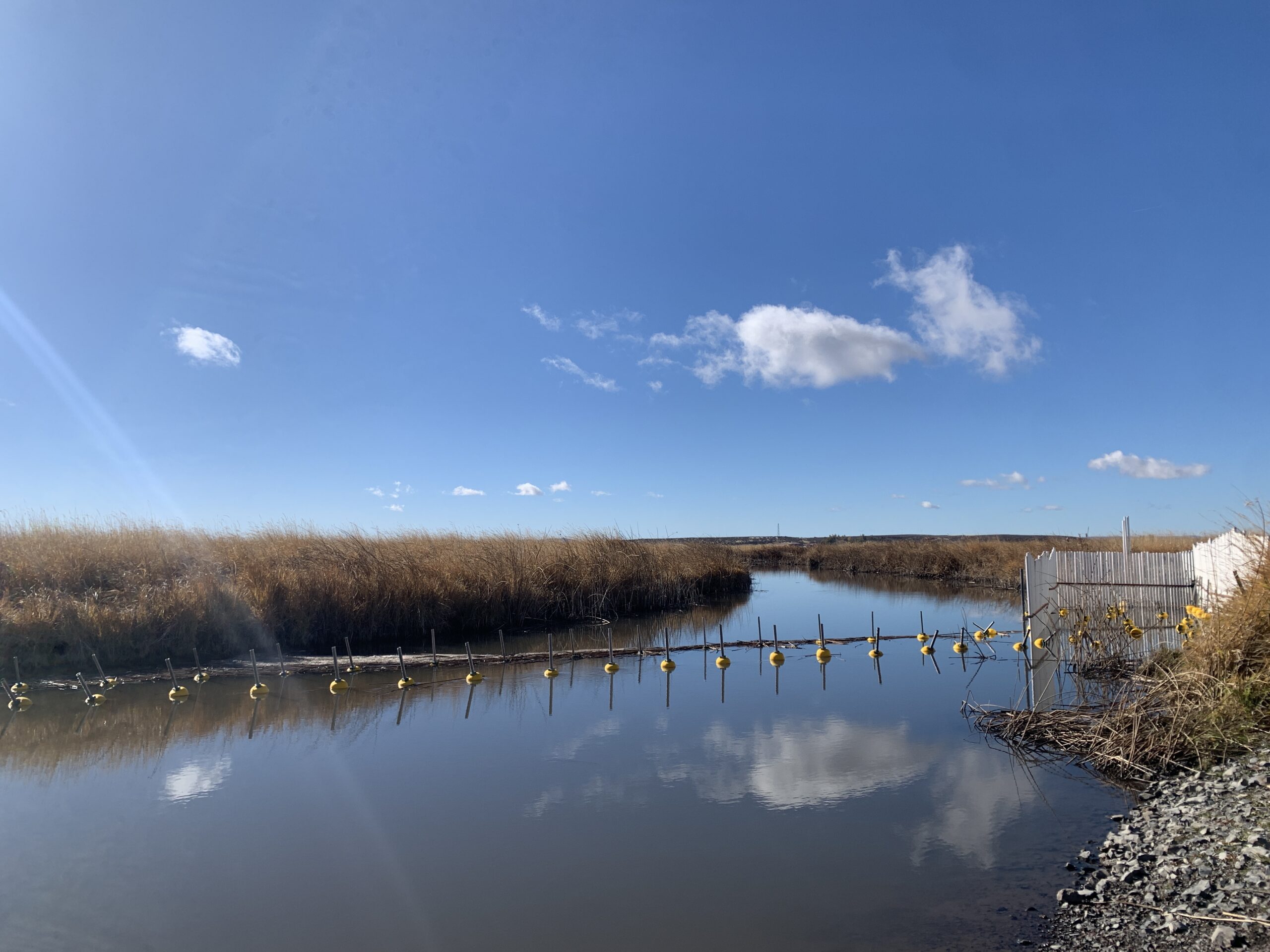
The project is being overseen by MNWR Aquatic Biologist Dominic Bachman, and the system is being installed by Carp Solutions, a company specializing in science-based carp management, the system will help refuge staff limit carp movement and support their capture and removal. The project targets carp moving between Malheur Lake and the Blitzen River, where they seek spawning habitat and refuge during unfavorable lake conditions.
Common carp can have an outsized effect on wetland health and the condition of Malheur Lake. As they feed along the bottom, they stir up sediment and uproot aquatic plants. Cloudier water limits the sunlight available for plant growth, affecting the food and habitat that wetlands provide for waterfowl, native fish, and other wildlife. Reducing carp numbers is one part of the refuge’s broader aquatic restoration effort.
Carp Solutions’ electric barrier technology uses a controlled, pulsed electric field to discourage fish from passing through an area. This allows managers to influence fish movement and supports more targeted removal efforts.
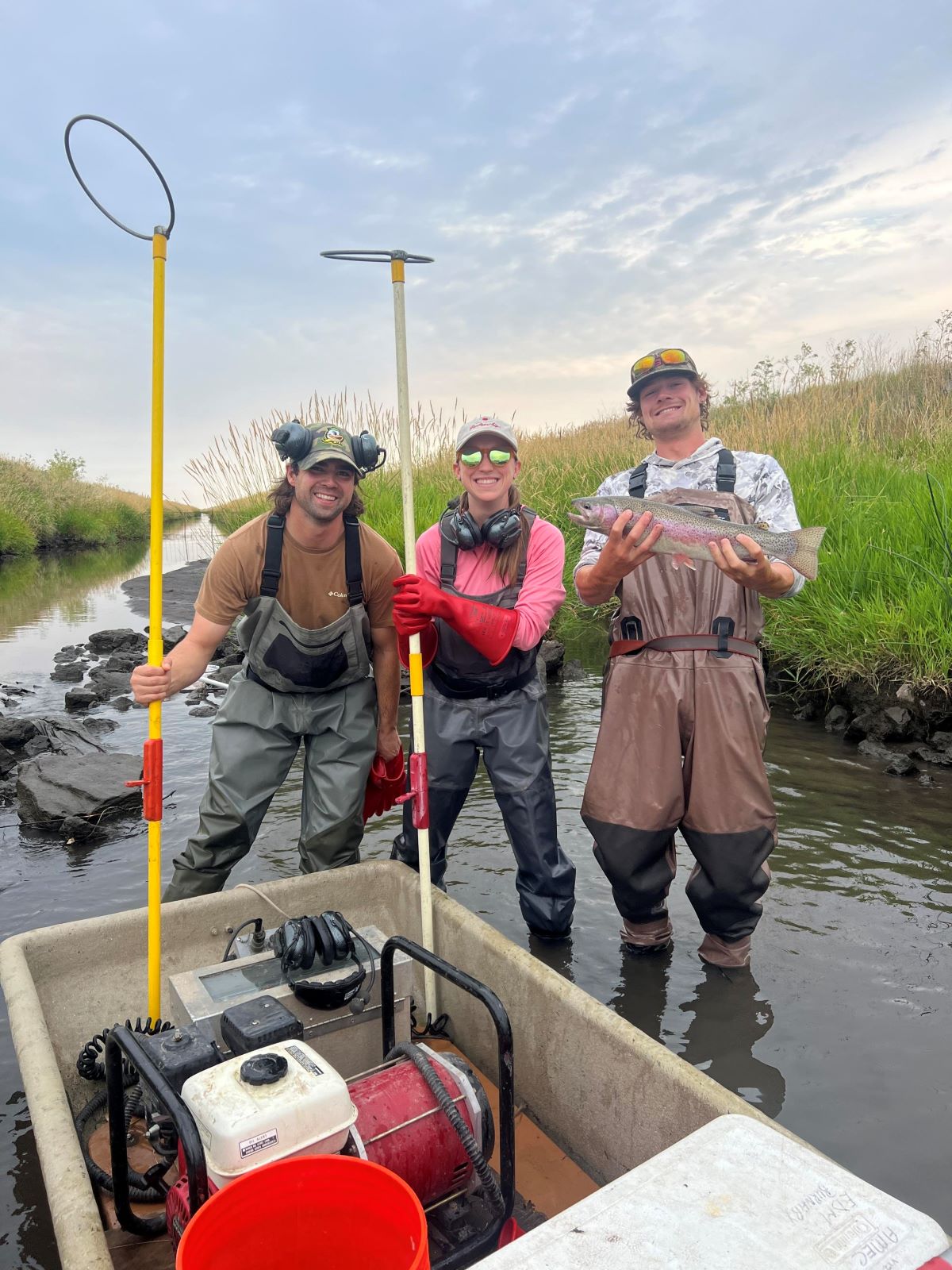
Alongside the installation, partners from the U.S. Forest Service and Bureau of Land Management helped conduct electrofishing to capture carp for PIT tagging. PIT, short for passive integrated transponder tags, gives individual fish a unique electronic identifier. When a tagged fish passes near a compatible antenna, the system records its identity and the time of detection. These records can help researchers understand carp movements and evaluate how effectively a barrier is working.
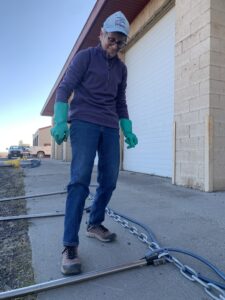
Refuge staff and technicians also contributed to the project, including Zackary McCoy, Luke DuVall, Kate Barry, and Travis Miller as well as help from FOMR volunteer Leslie Nelson.
As the project approaches completion, it reflects the combination of technology, fieldwork, and interagency cooperation needed to tackle a persistent conservation challenge at Malheur. The barrier is expected to begin operation next spring 2027, as Common Carp and other fish migrate upstream to spawn.