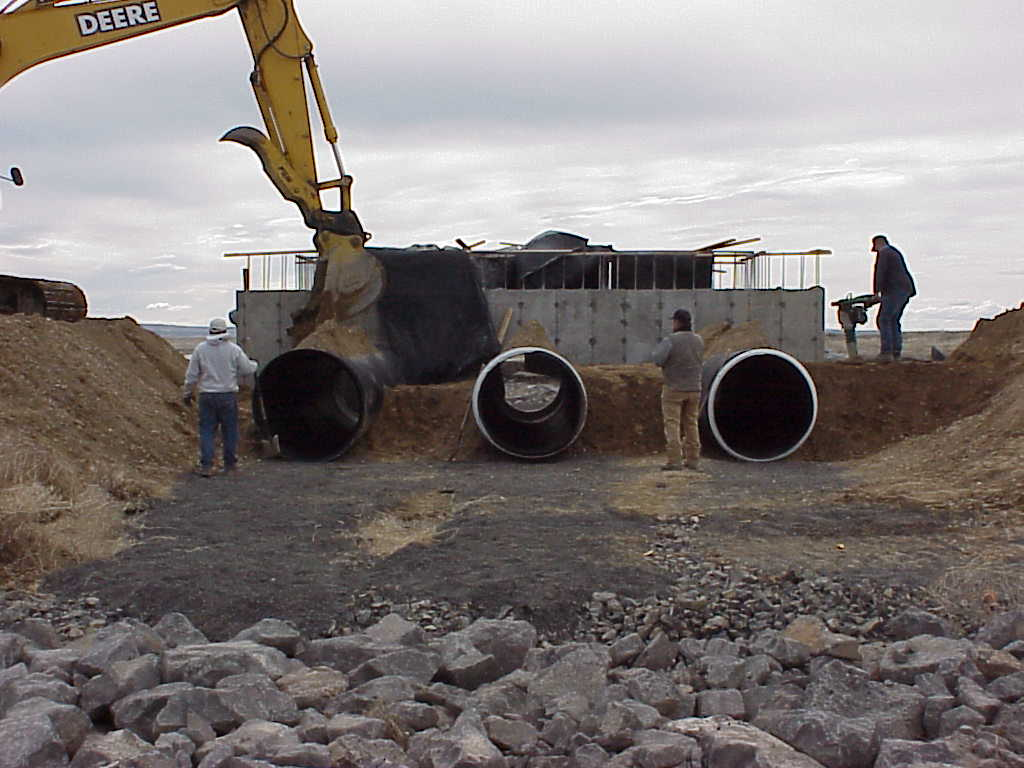
Malheur National Wildlife Refuge began removing the carp barrier between Malheur and Mud lakes at the Narrows on September 3, 2026. The removal reflects changing conditions in the lake system and will eliminate a known hazard to grebes and other diving birds.

Constructed in 2006 west of Narrows Bridge on Highway 205, the barrier was designed to slow the movement of large adult common carp into Mud Lake during periods when Malheur Lake expanded. Common carp are a non-native invasive fish whose feeding and spawning activity can uproot aquatic vegetation, suspend fine sediments, reduce water clarity, and diminish food resources for birds. The project was intended to extend favorable wetland conditions in Mud Lake by limiting the number of adult carp entering to feed and spawn.
Since then, conditions have changed. Emergent vegetation has reestablished across broad portions of Malheur Lake, helping stabilize sediments, reduce wave action, and improve water clarity. Mud Lake has also continued to experience recurring dry periods, limiting the longer-term habitat benefits the barrier was intended to provide.
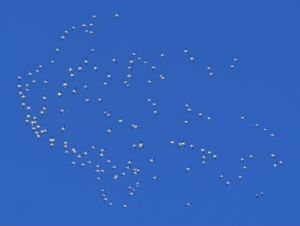
The barrier’s screened design can also create a serious wildlife hazard when water moves through the structure. Hundreds of grebes and other diving birds can become trapped in confined areas and may be unable to escape. During these events, refuge employees have conducted daily rescue operations, creating risks for both wildlife and staff.
Removing the barrier responds to current ecological conditions while eliminating this source of bird mortality and improving staff safety.
Public access to the Narrows viewing area west of Highway 205 is temporarily closed while removal work is underway.