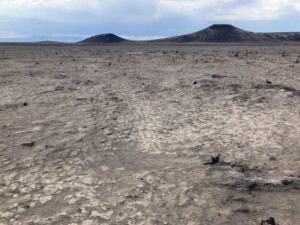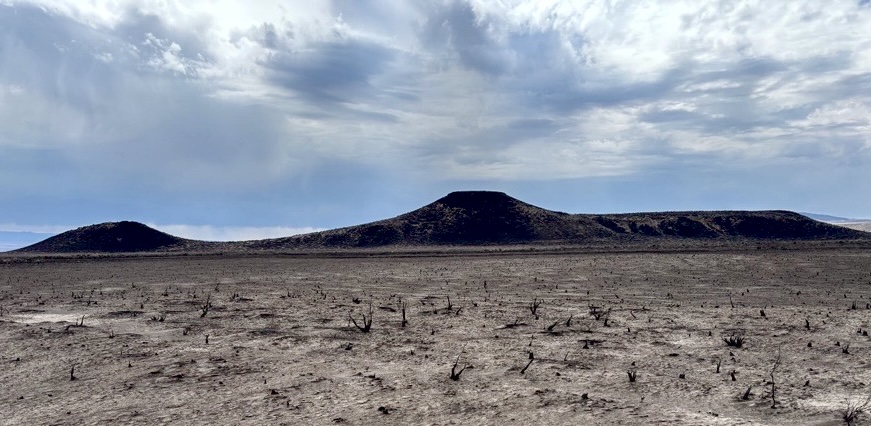
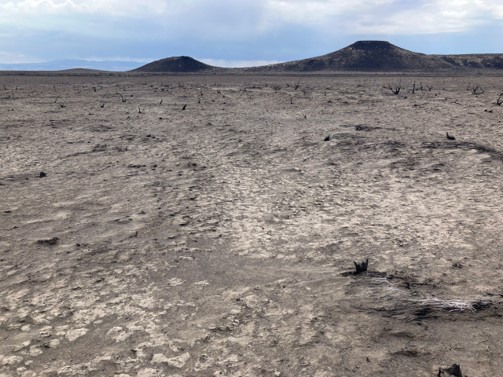
In the wake of the Stubble Fire, Malheur National Wildlife Refuge is taking an important first step toward renewal. This fall, refuge staff will begin restoring 650 acres of fire-affected shrub-steppe habitat. This area accounts for 43% of the affected area and is noted as Priority 1 in the Stubble Fire Emergency Stabilization and Burned Area Rehabilitation Plan.
Wildfire can transform a landscape in a matter of hours, but recovery takes time, care, and collaboration. Across the burned area, the fire removed much of the protective vegetation and ground cover that once held soils in place and supported wildlife. Without timely action, exposed ground can be vulnerable to erosion and invasion by cheatgrass and other noxious weeds. In addition to developing monocultures that exclude native plants such as bunchgrasses and forbs, these plants can also make future fires more likely and restoration even more difficult.
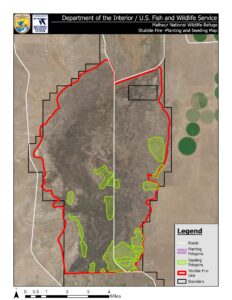 This first restoration effort will focus on drill-seeding a specially selected mix of perennial grasses. The seed mix includes native species such as Blue Bunch Wheatgrass, Thickspike Wheatgrass, and Great Basin wildrye in addition to annual flowering species like Rocky Mountain Bee Plant. These plants were chosen for their ability to grow in Malheur’s challenging alkaline, saline, and dry soils, while helping rebuild the perennial plant community that wildlife depend on. Mixing in diversity with Russian wildrye and Snowstorm forage kochia will provide additional drought-tolerant cover, helping stabilize the soil and compete with invasive grasses.
The Refuge will invest approximately $105,000 in seed for this 650-acre treatment. Seeding will be accomplished with rangeland drills provided by the Harney County Soil Water Conservation District, along with the knowledge, skill, and hard work of Malheur Refuge maintenance staff.